Ad Hook Examples: Turn an Opening into a Useful Brief
Study three app-ad openings, separate curiosity from proof, and use a practical worksheet to write a hook your own product can actually deliver.
In this guide
Before you start
An opening line is only half a hook. The other half is what the viewer can see, and the answer the rest of the ad can honestly deliver. These three references illustrate different ways to begin. They are examples to examine, not ads ranked by performance.
1. PhilSnap: make the unanswered question specific
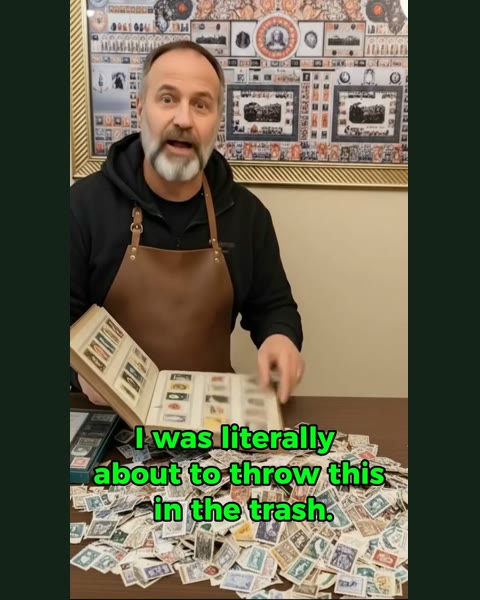
The PhilSnap reference pairs a stamp with a question about its possible value. In the recorded scene guide, the opening occupies 00–05s, the stamp close-up follows at 05–11s, the camera scan at 11–18s, and the identity and value context at 18–23s. The sequence connects the question to a product action instead of leaving the reveal unrelated to the opening.
Our reading: the useful device is uncertainty about a recognizable object. The price range is not the reusable part. A valuation shown in an ad does not establish what someone can sell an item for, and copying its monetary claim would require evidence of your own.
For a plant-identification app, a suggested rewrite—not a line from this ad—is: ‘Which plant did I bring home?’ Show the actual plant, the identification action and the resulting name. Do not turn the same footage into ‘Is this plant poisonous?’ unless the product and evidence genuinely support that higher-stakes answer.
2. Pin Trading: open at the moment of a decision
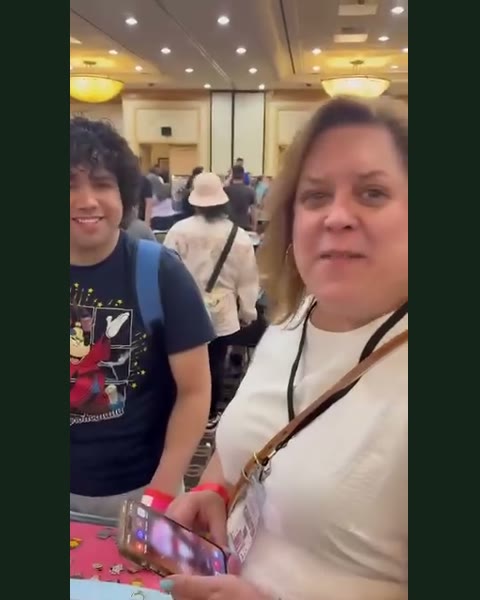
The Pin Trading reference places a collector in a convention setting before showing the pin, scan and collection information. Its scene guide assigns 00–06s to the convention opening and 06–14s to the object and trading context. That gives the demonstration a reason to happen now: someone is considering a trade.
This is different from a general curiosity question. The viewer needs to recognize a situation, not believe an extraordinary reveal. Our suggested adaptation for a packing app would be ‘Before you close your suitcase, check this list,’ paired with a real unfinished suitcase. The app should then show the relevant list, not an unrelated settings screen.
The transferable choice is the decision moment. It is not the convention footage, another person's likeness or the branded collectibles. Build the scene with material you can use and a situation your own audience actually encounters.
3. Calo: turn a broad problem into a narrower question
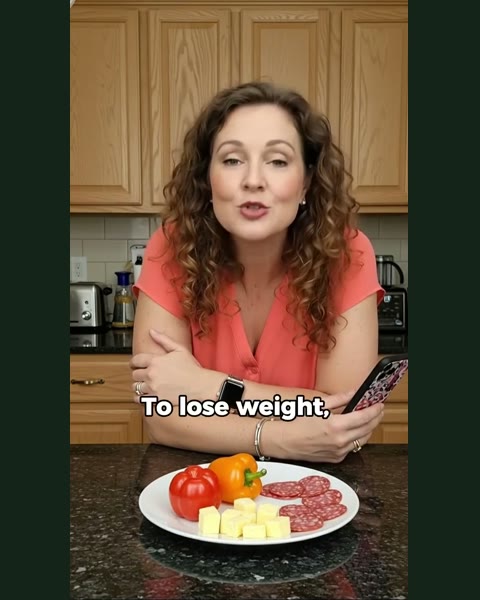
The Calo reference starts with a calorie-deficit statement, then asks how someone would know whether they are in one. Its recorded progression moves from that question to a plate, an app scan and an on-screen calorie-and-macro result. We are examining the creative transition here, not endorsing the health claim or the accuracy of an estimate.
A useful critique is that the screen answers a narrower question than the opening. A meal estimate is not proof of a person's energy balance or future outcome. When adapting this structure, make the opening no broader than the result you can demonstrate.
For an expense app, ‘What did lunch cost me this week?’ could lead to a real filtered total. ‘Fix your finances in seconds’ could not be substantiated by the same screen. The first is less dramatic, but the evidence and promise fit together.
Write a one-page hook brief before a script
Use the fields below to turn a reference into a production decision. If you cannot fill in the result field, do not compensate with a louder opening. Narrow the question, or choose another reference. Write the frame description before polishing the spoken line; it exposes hooks that depend on information the viewer never sees.
For the hypothetical expense-app version: show three lunch receipts; ask what lunch cost this week; open the existing weekly filter; display the real total; invite the viewer to review their own spending. That is a complete chain. It also tells the editor exactly which screen recording is needed.
- Viewer situation: what is happening immediately before they need the product?
- First frame: which object, task or visible difficulty makes that situation recognizable?
- Opening question: what single answer does this ad owe the viewer?
- Product action: what can the real product do on screen?
- Result and limit: what does the screen prove, and what does it not prove?
- Next action: what should the viewer do after seeing that result?
Choose an opening you can finish
Start with one of the three mechanisms: an unanswered object question, a decision moment, or a specific information gap. Then check whether the demonstration completes it. They are not universal formulas and none is a proven winner in this collection.
If you compare two openings, keep the rest of the edit and the intended audience as similar as practical. Define the outcome you care about before interpreting results. Attention can help diagnose the opening; it does not by itself establish that the ad brings the right users. These references provide a brief to test, not a forecast.
Frequently asked questions
Can I reuse the exact opening?
Study the structure, but write for your own product and use footage, voices and claims you have permission and evidence to use. A public reference page does not grant reuse rights.
Are the card headlines verbatim transcripts?
Not necessarily. HookRef's reference headlines can be editorial summaries. The analysis here identifies scene-guide observations separately from suggested rewrites; do not treat every card title as an exact spoken quote.
Which example converts best?
We do not have verified spend, conversion or controlled-test data for these examples. This article compares creative structures, not performance.
Sources and method
This analysis uses HookRef’s reviewed public reference records and their scene annotations. Source listings are linked beside each case; some providers may require an account. We have not independently verified the advertisers’ product claims, ad spend or outcomes. Reference headlines may be editorial summaries, not verbatim transcripts. Suggested adaptations are original teaching examples, not observed ads.
For background, TikTok’s Creative Codes recommends a hook, body and close. The case-specific critiques and worksheets here are HookRef’s editorial interpretations; they are not platform-endorsed performance claims.